
Introduction: The Digital Transformation of Energy and the Growing Cybersecurity Challenge
The energy sector is undergoing one of the most significant digital transformations in its history. Organizations across oil and gas, power generation, utilities, and renewable energy are adopting advanced technologies to improve efficiency, reliability, safety, and sustainability.
Operational Technology (OT), Industrial Control Systems (ICS), Supervisory Control and Data Acquisition (SCADA) platforms, Industrial Internet of Things (IIoT), remote monitoring, cloud-enabled analytics, and automation technologies are becoming essential components of modern energy operations.
However, increased connectivity also introduces new cybersecurity challenges.
As industrial environments become more interconnected, the traditional separation between Information Technology (IT) and Operational Technology (OT) continues to disappear. Systems that were historically isolated are now connected to corporate networks, remote access platforms, cloud applications, and third-party services.
This digital evolution creates a larger cyber attack surface and introduces new risks that can directly impact production, safety, and operational continuity.
For energy organizations, cybersecurity is no longer only a technology concern. It has become a critical operational priority.
A successful cyberattack against energy infrastructure can result in:
- Production disruption and operational downtime.
- Equipment damage.
- Safety incidents.
- Environmental consequences.
- Financial losses.
- Loss of public trust.
- Disruption of essential services.
Protecting modern energy infrastructure requires a specialized approach focused on securing industrial environments while maintaining availability, reliability, and safety.
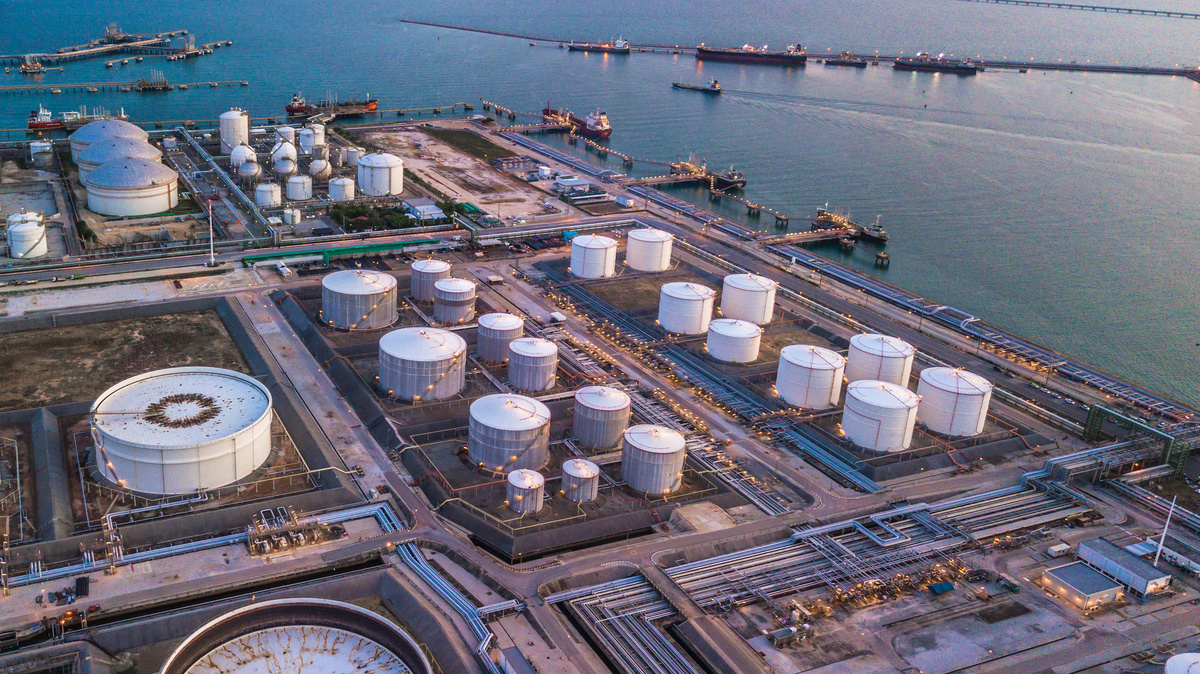
Why Energy Infrastructure Has Become a Prime Cybersecurity Target
Energy infrastructure is considered one of the world’s most critical assets. Oil fields, pipelines, refineries, power plants, substations, renewable energy facilities, and grid systems support economies and essential services.
Because of this strategic importance, energy organizations have become attractive targets for different threat actors, including cybercriminal groups, hacktivists, and nation-state-backed attackers.
Unlike traditional IT environments, OT environments have unique characteristics:
- Systems operate continuously and cannot always be easily interrupted for maintenance.
- Availability and safety are often higher priorities than confidentiality.
- Many industrial devices have long operational lifecycles.
- Legacy systems may not support modern security controls.
- Industrial protocols were often designed without cybersecurity considerations.
Threat actors increasingly understand that disrupting industrial operations can create significant impact. As a result, attacks against OT environments have become more targeted and sophisticated.
Common cybersecurity threats affecting energy infrastructure include:
Ransomware Attacks
Ransomware remains one of the most significant threats facing industrial organizations. Attackers may target IT networks first and attempt to move into OT environments, affecting production systems and operational availability.
Compromised Remote Access
Remote connectivity enables efficient maintenance and monitoring of distributed assets such as offshore platforms, pipelines, substations, and renewable energy sites. However, poorly secured remote access can provide attackers with direct pathways into industrial networks.
Phishing and Credential Theft
Employees, contractors, and third-party users can become entry points for attackers through stolen credentials, malicious emails, or social engineering campaigns.
Vulnerable Industrial Devices
Unpatched controllers, engineering workstations, servers, and network devices can introduce security weaknesses that attackers may exploit.
Supply Chain Risks
Energy operations depend on numerous vendors, integrators, and service providers. Compromised suppliers or insecure third-party access can create significant cybersecurity exposure.
Understanding the Difference Between IT Security and OT Cybersecurity
Traditional IT cybersecurity focuses primarily on protecting information confidentiality, integrity, and availability.
OT cybersecurity has additional priorities:
Safety:
Industrial systems must operate safely to protect employees, communities, and the environment.
Availability:
Energy operations often require continuous operation. Interrupting a control system can affect production and essential services.
Reliability:
Security controls must support operational requirements without negatively impacting industrial performance.
For this reason, OT cybersecurity requires specialized strategies designed specifically for industrial environments.
A security solution that works effectively in a corporate IT environment may not always be suitable for an industrial control system.
The Expanding OT Attack Surface Across Energy Operations
Increased Connectivity and Remote Operations
Modern energy companies operate highly distributed environments.
Examples include:
- Offshore oil and gas platforms
- Remote production facilities
- Pipeline networks
- Solar farms
- Wind farms
- Electrical substations
- Remote monitoring stations
Secure connectivity is essential for operational efficiency, but every connected device, communication channel, and remote access point increases cybersecurity exposure.
Organizations must ensure that connectivity is designed with security from the beginning.
Legacy Industrial Systems
Many industrial facilities operate equipment that was designed decades ago. These systems may continue performing critical functions but often lack modern cybersecurity capabilities.
Challenges include:
- Limited patching options
- Unsupported operating systems
- Lack of encryption capabilities
- Weak authentication mechanisms
Protecting these environments requires a balanced approach that improves security without disrupting operations.
Third-Party Access Risks
Energy organizations frequently rely on:
- Equipment manufacturers
- Engineering companies
- Maintenance providers
- System integrators
While third-party access is operationally necessary, unmanaged access can introduce significant risks.
Organizations should implement:
- Controlled remote access
- Multi-factor authentication
- Least privilege access
- Session monitoring
- Vendor security assessments

OT Cybersecurity Best Practices for Energy Infrastructure
Building cyber resilience requires a layered security approach. No single technology can fully protect industrial environments.
A successful OT cybersecurity strategy combines people, processes, and technology.
1. Establish Complete OT Asset Visibility
“You cannot protect what you cannot see.”
The foundation of OT cybersecurity begins with understanding the environment.
Organizations should maintain an accurate inventory of:
- Programmable Logic Controllers (PLCs)
- Remote Terminal Units (RTUs)
- Human Machine Interfaces (HMIs)
- Distributed Control Systems (DCS)
- Industrial servers
- Network devices
- Safety systems
- Engineering workstations
- Field devices
Asset visibility enables organizations to identify vulnerabilities, prioritize risks, and develop effective security strategies.
2. Implement Network Segmentation and Secure Architecture
Industrial networks should not operate as flat environments.
Network segmentation limits the ability of attackers to move across systems after gaining access.
Effective segmentation strategies include:
- Separating IT and OT networks
- Implementing industrial firewalls
- Creating security zones and conduits
- Restricting unnecessary communication
- Applying access control policies
A properly designed OT architecture reduces attack impact and improves operational resilience.
3. Protect Industrial Networks with Firewalls and Monitoring
Industrial environments require security solutions designed for OT protocols and operational requirements.
Security monitoring should provide visibility into industrial traffic, including protocols such as:
- Modbus
- DNP3
- IEC 61850
- OPC communication
Industrial intrusion detection systems can help identify abnormal behavior and potential threats before they impact operations.

4. Secure Remote Access
Remote access is essential for modern energy operations, but it must be carefully controlled.
Recommended practices include:
- Multi-factor authentication (MFA)
- Role-based access control
- Secure VPN connections
- Privileged access management
- Remote session monitoring
Every remote connection should be treated as a potential security pathway.
5. Strengthen OT Endpoint Security
Engineering workstations, servers, and industrial endpoints can become entry points for attackers.
Security measures should include:
- System hardening
- Malware protection
- Application control
- Secure configuration management
- Vulnerability assessments
6. Develop Backup and Recovery Strategies
Operational resilience depends on the ability to recover quickly after an incident.
Organizations should maintain secure backups of:
- PLC configurations
- HMI applications
- Engineering files
- Server systems
- Control system configurations
Backup processes should be regularly tested to ensure recovery readiness.
7. Continuous Monitoring and Incident Response
Cybersecurity is not a one-time project.
Energy organizations should continuously monitor OT environments for:
- Unauthorized changes
- Abnormal network behavior
- Suspicious activities
- Configuration changes
Additionally, organizations should establish coordinated IT and OT incident response procedures to minimize disruption during cybersecurity events.
Securing Different Energy Sectors
Oil and Gas Cybersecurity
The oil and gas industry operates some of the world’s most complex and geographically distributed industrial environments, connecting exploration sites, drilling operations, offshore platforms, pipelines, compressor stations, refineries, storage terminals, and processing facilities through interconnected OT and ICS networks.
As these operations become increasingly digitalized, maintaining secure communication and resilient industrial control systems is essential to ensure safe and uninterrupted production. A successful cyberattack on any part of this operational ecosystem can disrupt production, compromise worker safety, damage critical assets, create environmental risks, and result in significant financial and regulatory consequences.
Implementing comprehensive OT cybersecurity measures across the entire value chain helps reduce operational risk while improving resilience against evolving cyber threats.
Power and Utility Cybersecurity
Modern power and utility organizations rely on highly interconnected operational technologies to manage electricity generation, transmission, distribution, and grid stability.
From conventional power plants and electrical substations to smart grid technologies and distribution networks, these systems continuously exchange operational data to maintain reliable energy delivery.
Because these environments support essential services and national infrastructure, they have become attractive targets for cyberattacks. Strengthening OT cybersecurity through secure network architectures, continuous monitoring, industrial network segmentation, and resilient control system protection is critical to ensuring uninterrupted electricity supply and maintaining public trust.
Renewable Energy Cybersecurity
The rapid growth of renewable energy is introducing a new generation of connected industrial environments powered by digital technologies.
Solar farms, wind turbines, battery energy storage systems, hydrogen production facilities, and grid integration platforms increasingly rely on Industrial Internet of Things (IIoT) devices, remote connectivity, cloud-based analytics, and automated control systems to maximize efficiency and performance.
While these technologies accelerate the transition toward sustainable energy, they also expand the cyber attack surface. Integrating OT cybersecurity into the design, deployment, and operation of renewable energy infrastructure enables organizations to protect critical assets, maintain operational resilience, and support the long-term reliability and sustainability of modern energy systems.
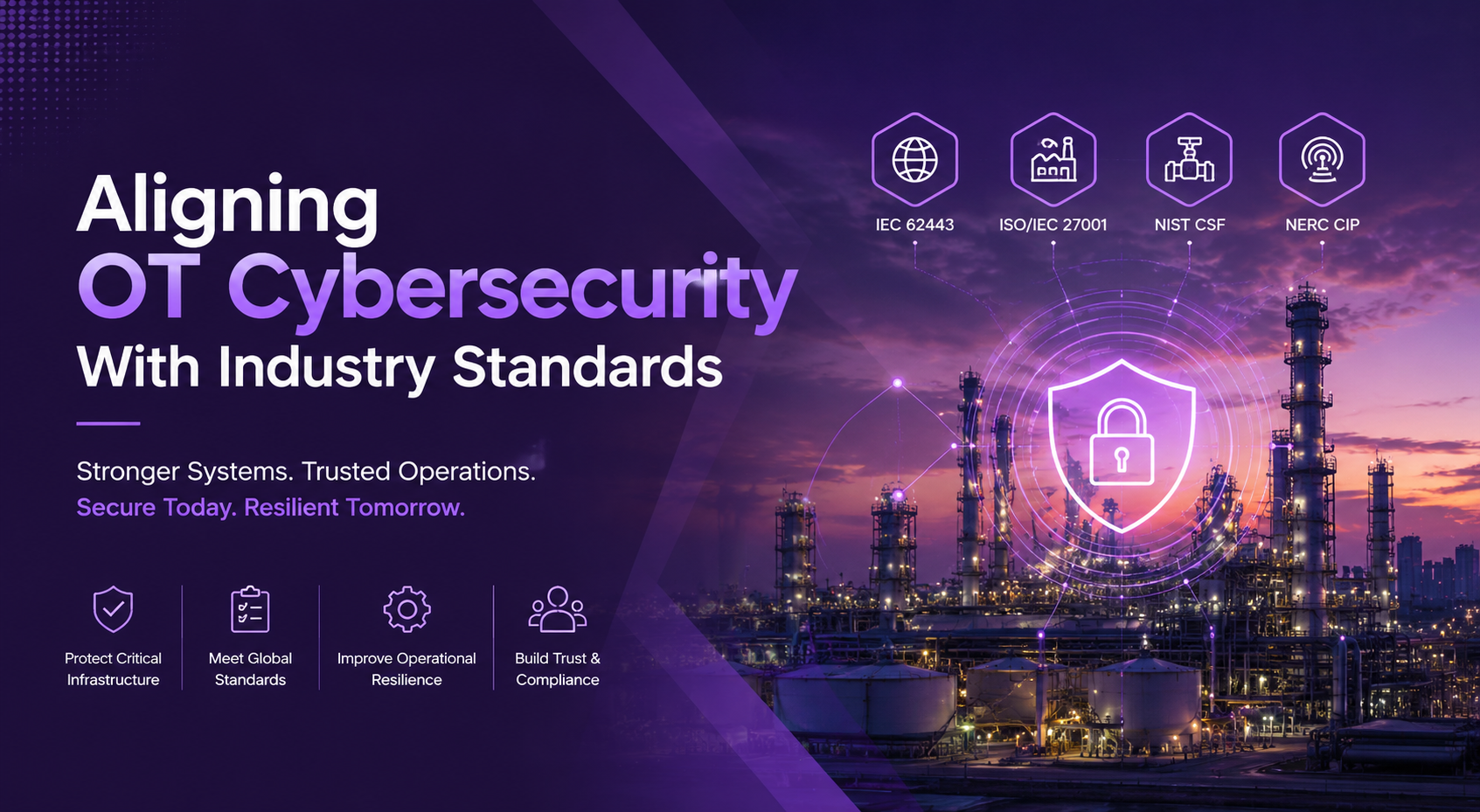
Aligning OT Cybersecurity With Industry Standards
A robust OT cybersecurity program should be built on internationally recognized standards while also meeting regional regulatory requirements. For energy organizations operating in the UAE, Saudi Arabia, and the wider GCC, aligning cybersecurity strategies with global frameworks and local regulations helps strengthen cyber resilience, improve operational reliability, and support compliance.
Globally recognized standards such as the ISA/IEC 62443 series provide comprehensive guidance for securing industrial automation and control systems throughout their lifecycle. The NIST SP 800-82 Guide to Operational Technology (OT) Security offers best practices for protecting Industrial Control Systems (ICS), SCADA environments, and other OT assets. For organizations in the electric power sector, the North American Electric Reliability Corporation Critical Infrastructure Protection (NERC CIP) standards establish security requirements for protecting critical bulk electric system assets.
In addition to these international frameworks, organizations operating in the United Arab Emirates should align their cybersecurity programs with the UAE Information Assurance (UAE IA) Standards and the UAE National Cybersecurity Strategy, while entities supporting critical infrastructure should also consider guidance issued by the UAE Cyber Security Council.
In Saudi Arabia, organizations should comply with the National Cybersecurity Authority (NCA) Essential Cybersecurity Controls (ECC) and, where applicable, the Operational Technology Cybersecurity Controls (OTCC-1:2022), which provide dedicated requirements for securing industrial control systems and critical operational environments.
By integrating international best practices with regional cybersecurity regulations, energy organizations can establish structured, risk-based cybersecurity programs that enhance governance, improve incident response capabilities, support continuous improvement, and strengthen the resilience of critical energy infrastructure against evolving cyber threats.
The Future of Secure Energy Infrastructure
The energy industry will continue adopting advanced technologies, including:
- Artificial intelligence
- Digital twins
- Predictive maintenance
- Industrial analytics
- Autonomous operations
- Industrial IoT
These technologies provide significant operational benefits but also create new cybersecurity considerations.
The future of energy security depends on integrating cybersecurity into every stage of the lifecycle:
- Engineering and design
- Procurement
- Installation
- Operations
- Maintenance
- Continuous improvement
Cyber resilience must become part of operational excellence.
Conclusion: Building a Cyber-Resilient Energy Future
Modern energy infrastructure depends on secure and reliable industrial operations.
As digital transformation continues, organizations must recognize that protecting OT environments is essential for maintaining safety, availability, and business continuity.
By implementing strong asset visibility, network segmentation, secure remote access, continuous monitoring, backup strategies, and industry-aligned cybersecurity practices, energy organizations can reduce risks and improve resilience against evolving cyber threats.
Cybersecurity is no longer simply about protecting technology. It is about protecting the systems that power economies, communities, and the future of energy.
Strengthen Your Energy Infrastructure With Expert OT Cybersecurity Solutions
At ATS, we help organizations secure critical infrastructure through OT cybersecurity assessments, industrial network security, ICS protection, secure remote access, asset visibility, and cybersecurity engineering services.
Our experts support energy organizations in improving cyber resilience while maintaining operational reliability and safety.
Ready to secure your OT systems?
Contact our cybersecurity specialists today to assess vulnerabilities, strengthen defenses, and protect your critical infrastructure from evolving cyber threats.


